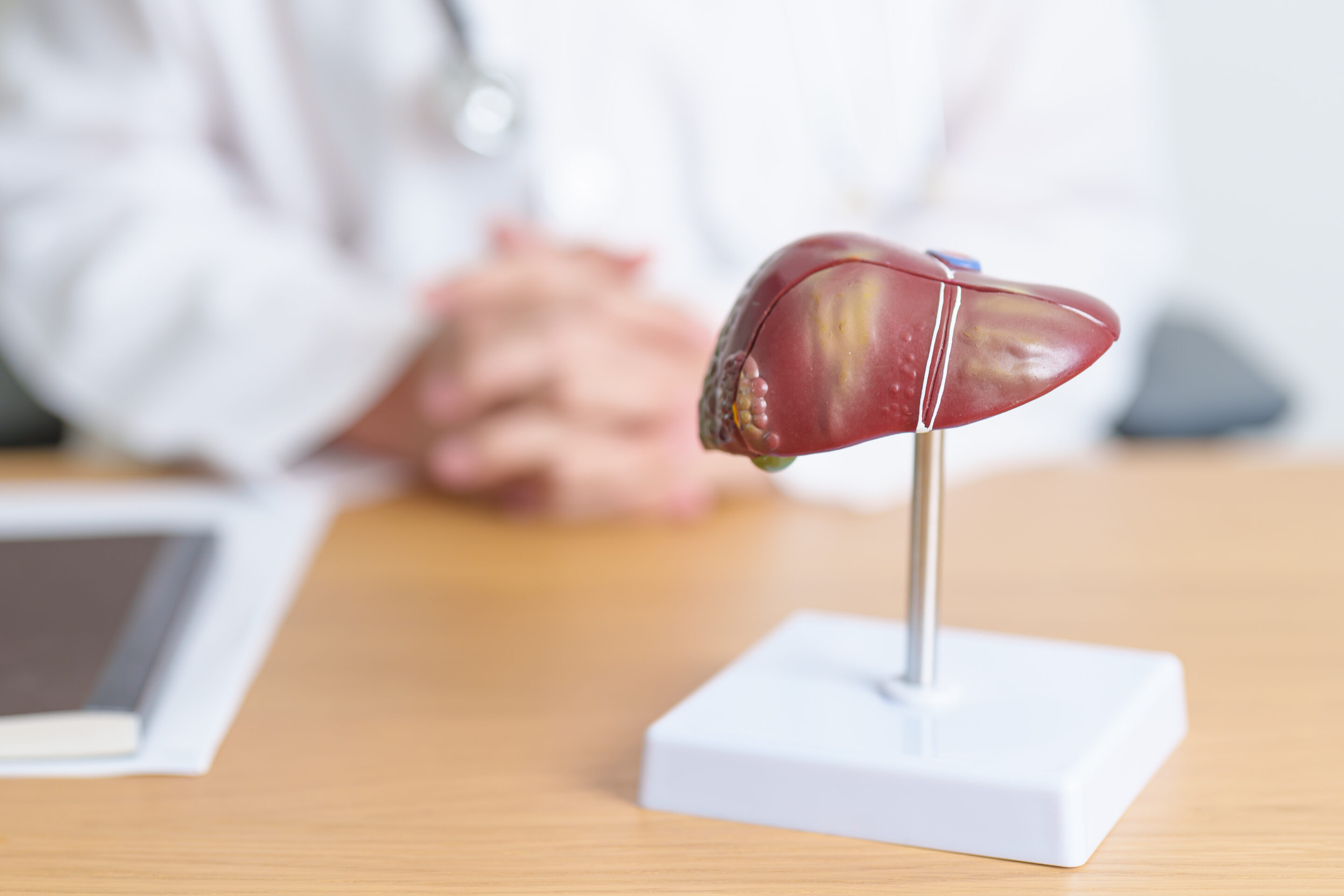
Liver Rehabilitation
Liver rehabilitation is a structured program that helps patients recover and manage life after liver disease, liver surgery, or a liver transplant. Its main purpose is to restore health, improve quality of life, and prevent further liver damage.
Rehabilitation usually combines medical care, nutrition support, exercise, counseling, and education. Since the liver plays a vital role in digestion, detoxification, and metabolism, lifestyle changes are an essential part of recovery. Patients are guided to follow a liver-friendly diet (low in alcohol, fat, and toxins), take prescribed medications regularly, and maintain proper hydration.
Physical rehabilitation helps rebuild strength and stamina, while psychological support addresses the stress and anxiety that often accompany chronic liver conditions. For patients after a liver transplant, the program also focuses on infection prevention, medication adherence, and gradually resuming normal daily activities.
Overall, liver rehabilitation empowers patients to take care of their liver health, improve overall well-being, and return to an active, independent life.